
.svg)
.svg)



.avif)
Every 25 years there is a foundation shift in how enterprises operate. It starts with a wave of technology innovation that ripples across industries, inspiring new ways of thinking and redefining how work can be done. This technology then becomes the standard for a generation until business needs evolve beyond what the architecture can support. Then, what once felt cutting edge begins to feel constrained. When that happens, a new wave emerges and the next era begins.
There have been three major shifts in business technology over the last century, and we are sitting on the edge of a fourth. Before we explore what defines this new cycle, it’s important to revisit how we got here.
Mainframes defined the first great era of enterprise computing. In the 1960s and 1970s, firms needed precision and reliability, and the mainframe delivered both. It turned business computing into an industrial process that was centralized, consistent, and trusted by regulators. For financial institutions, that stability was transformative. NAVs could now be calculated overnight, reconciliations became repeatable, and operations were finally dependable at scale. But what mainframes offered in control, they lacked in flexibility. Every change required months of coding in sealed environments, and as business cycles sped up, that rigidity began to constrain progress.
By the 1980s, power started moving outward. The personal computer and client–server architecture decentralized technology and put it in the hands of the people closest to the work. Analysts could model portfolios on their own machines, traders could build risk tools, and teams could automate processes without waiting for a mainframe batch to run. Innovation accelerated because technology was no longer confined to the data center. Yet the freedom came at a cost: Every team built its own tools and datasets, integrations multiplied, and firms found themselves managing webs of partially connected systems. What began as empowerment resulted in fragmentation.
The cloud promised to reconnect what client-server had scattered. In the 2000s, computing became a service that was accessible anywhere, scalable on demand, and paid for as it was used. This shift unlocked collaboration across geographies and allowed firms to focus on innovation instead of infrastructure. But many first-generation cloud systems were simply old architectures hosted somewhere new. Data silos persisted, nightly batches endured, and complexity merely moved up a layer. The cloud made scale cheap, but it didn’t make intelligence easy. That limitation is being addressed by the latest technology era.
The cloud era has been about where we run software; the next will be about what systems know and how they learn. In moving from systems of record and engagement to systems of reason, we’re seeing the creation of platforms that surface patterns, recommend actions, and automate routine work in real time.
The systems of this era will be defined by:
Momentum toward this new model is already visible. BCG's Global Asset Management Report shows the majority of asset managers are experimenting with generative AI use cases, with production deployments accelerating. McKinsey also argues that AI will help asset managers recover margin levels and increase profitability if well executed. Early enterprise rollouts inside major banks’ wealth and investment units offer a preview of what’s next: Operating models where insight is continuous and systems improve alongside the business.
When will you know it’s time to transform your technology foundation? Most notably, you’ll feel it in the friction. Every new feature demands a workaround, integrations take quarters instead of weeks, and your sharpest engineers are more energized by tools outside the platform than within it. Additionally, you’ll notice that data definitions drift by function and “truth” depends on which dashboard you open.
Legacy cores and accumulated technical debt have become strategic risks. Deloitte’s findings on mainframe modernization in investment and wealth management echo that the technology foundations that once conferred advantage now constrain it. Mainframes gave firms control, client–server gave firms access, and the cloud gave firms scale. Now you need intelligence. You need systems that learn, adapt, and improve alongside tour firm.
Ridgeline Chief Strategy Officer Jack Lynch recently spoke about this dramatic technology shift and the rise of the AI operating system:
Ridgeline was designed for this era. Built from a clean sheet of paper on the cloud, the Ridgeline platform connects the front, middle, and back office through a shared, real-time data model that eliminates reconciliations and manual hand-offs.
That data foundation allows us to embed AI at the core, improving automation, control, and auditability across every workflow. As a result, firms can make faster, more informed decisions, while ensuring processes run with the transparency and policy governance investment firms depend on.
This architecture also changes the velocity of innovation. Ridgeline delivers seamless weekly updates (not upgrades) that keep all customers current on security, up to date with regulations, ready to innovate with new functionality. But it’s not just the speed of these updates that have a big impact on firms. Since Ridgeline updates don’t require consultants or development work from the customer side, firms are able to stay focused on serving clients and driving growth.
The majority of asset managers expect GenAI to meaningfully reshape the business within the next few years, and many are already moving from experimentation to deployment. Yet progress is often slowed by legacy cores and layers of technical debt that limit resilience, constrain talent, and drag on operational speed.
As firms push into generative and proactive capabilities, Ridgeline removes the drag of legacy architectures and unlocks the pace, precision, and adaptability this moment demands. With unified data, intelligence at the core, strong controls, and systems that get smarter every day, firms can grow with confidence knowing they have a technology foundation designed for what’s next.
Want to learn more about Ridgeline? Request a demo or send us an email at hello@ridgelineapps.com.

.svg)
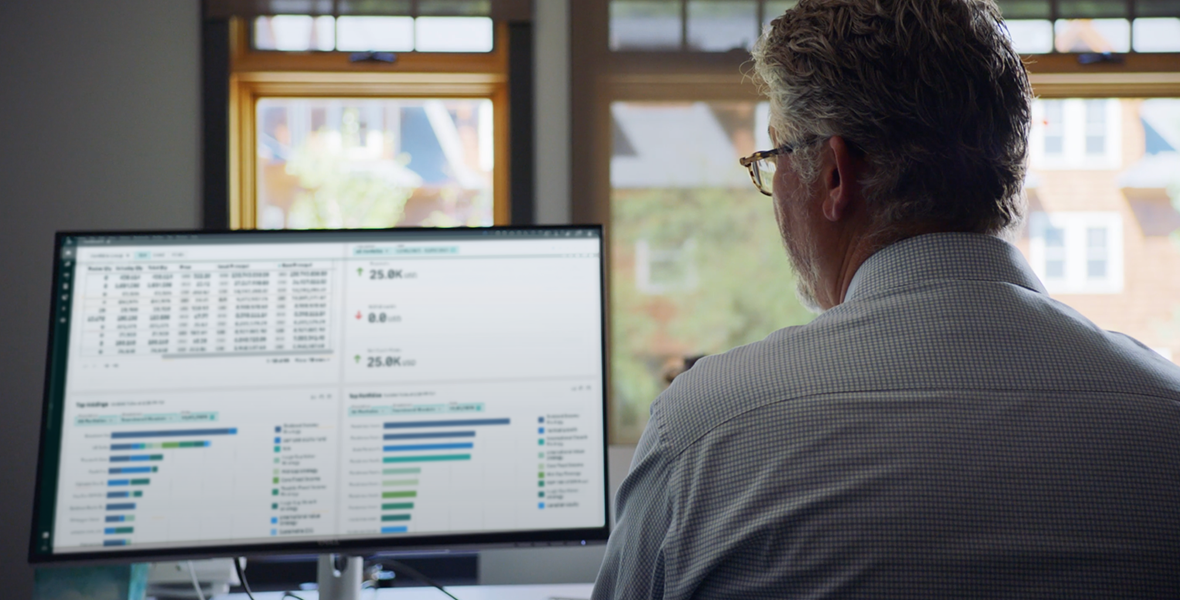
Learn how Ridgeline frees firms from costly, disruptive upgrade cycles by delivering continuous improvements that accelerate innovation.
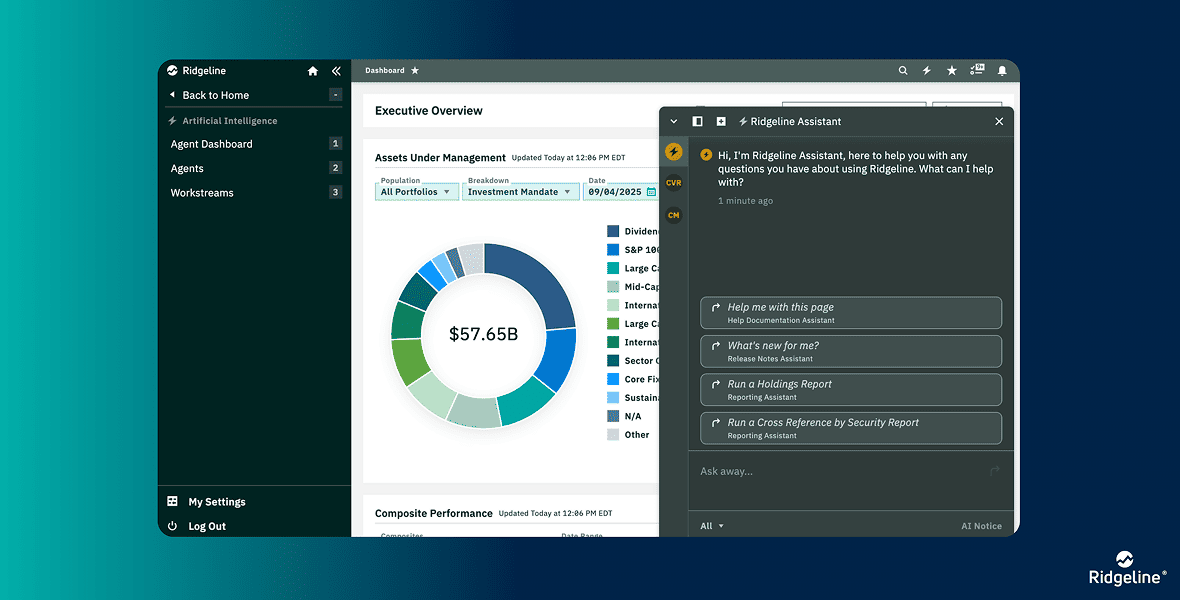
Discover how unified, AI-native platforms help asset managers cut costs, retire legacy systems, and unlock the next wave of ROI.
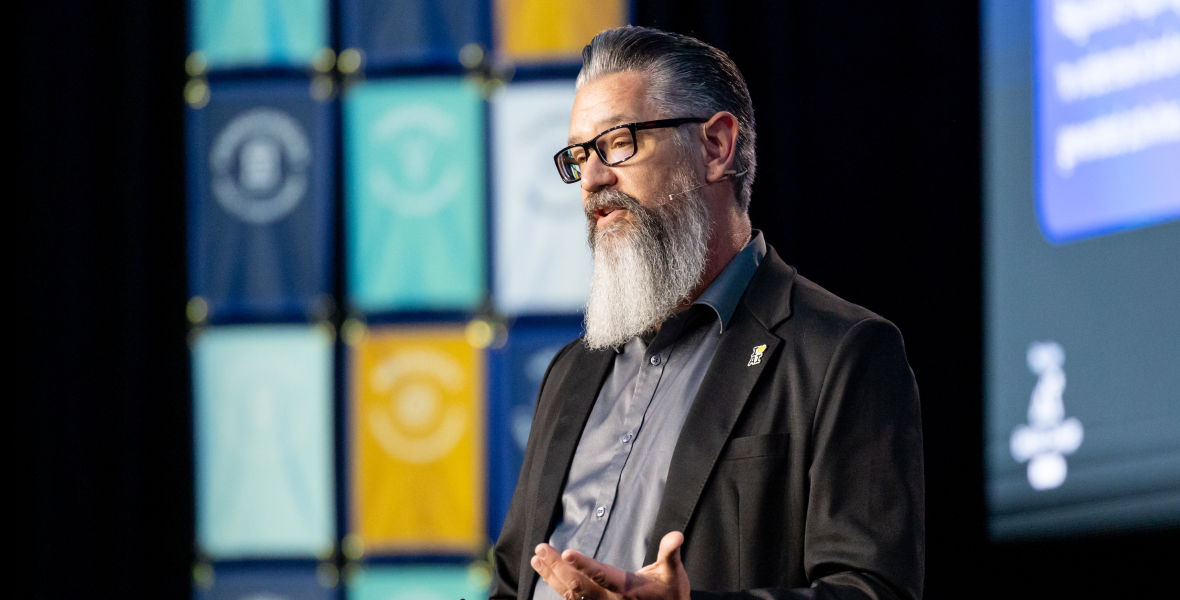
Ridgeline Chief Security Officer Jeremy Hittle shares how firms can innovate with AI while staying compliant and building trust.
.svg)
.svg)

